Water damage is one of those things you never plan for, but when it happens, the first question on everyone’s mind is usually, “How much is this going to cost me?” If you’re dealing with water damage restoration in St. Louis, understanding the cost breakdown can help you prepare and make informed decisions. The truth is, there’s no one-size-fits-all answer, but we can walk you through what to expect based on local market data and the specific factors that drive pricing in 2025.
At Pride Cleaning And Restoration, Inc., we’ve been helping St. Louis homeowners navigate these situations since 1987. We’re not here to hit you with a hard sales pitch. We just want you to understand what goes into the numbers so you’re not blindsided when estimates start rolling in.
Understanding Water Damage Repair Costs in St. Louis
Let’s start with the basics. Water damage repair costs in St. Louis typically range from $3 to $10 per square foot, but that’s just the starting point. The final price depends on several factors including the extent of damage, the category of water involved, how quickly you address it, and what materials need replacing.
Here’s what makes St. Louis a bit different from other markets: our weather. Between Mississippi River flooding potential, intense summer storms, and those lovely winter freeze-thaw cycles, water damage takes many forms here. That variety means repair costs can swing pretty dramatically depending on what caused the damage in the first place.
Quick Cost Estimator Guide
💧 Clean Water (Category 1)
Cost: $3-$4 per sq ft
Supply lines, sink overflows, clean toilet bowls
⚠️ Gray Water (Category 2)
Cost: $4-$7 per sq ft
Washing machines, dishwashers, aquariums
🚨 Black Water (Category 3)
Cost: $7-$10+ per sq ft
Sewage backups, flooding, toilet overflows with feces
*Costs vary based on extent of damage, materials affected, and timeline
Average Cost Breakdown by Square Footage
To give you a clearer picture, here’s what different-sized water damage scenarios might cost in 2025:
Small Area Damage (50-100 square feet)
For a small bathroom leak or minor kitchen incident, you’re typically looking at $500 to $1,500 total. This assumes the water hasn’t been sitting long and you’re dealing with clean water from a supply line. If you catch it early and handle the emergency response properly in the first 24 hours, you can often keep costs on the lower end.
Medium Area Damage (200-500 square feet)
Think a flooded basement corner or multiple rooms affected by a burst pipe. You’re probably in the $2,000 to $7,500 range. This level usually involves drying equipment, some drywall replacement, and possibly flooring work. Professional water damage restoration services include comprehensive assessment, industrial drying equipment, and moisture monitoring throughout the process. We’ve handled plenty of plumbing leak situations in Edwardsville that fell right in this category.
Large Area Damage (1,000+ square feet)
Major flooding from weather events, significant burst pipe situations, or extensive hidden water damage behind walls can run $10,000 to $50,000 or more. At this scale, you’re often dealing with structural repairs, multiple flooring replacements, and extensive drying efforts.
Factors That Impact Your Water Damage Repair Costs
Alright, let’s get into the nitty-gritty of what actually drives these costs up or down. Understanding these factors helps you make sense of why one estimate might be double another.
Water Category Matters More Than You Think
Not all water is created equal, and the insurance industry knows it. The Institute of Inspection, Cleaning and Restoration Certification (IICRC) establishes industry standards for water damage classification. Clean water from a supply line is Category 1, the least expensive to remediate. Gray water from appliances or clean toilet overflows is Category 2, requiring more precautions. Black water from sewage or flooding is Category 3, and it’s the most hazardous and costly to clean up properly.

Category 3 water damage from sewage backups requires specialized safety protocols and cleanup procedures, significantly increasing restoration costs compared to clean water incidents.
Category 3 water damage can cost 3 to 5 times more than Category 1 because of the safety protocols, specialized cleaning, and disposal requirements involved. If you’re dealing with a sewage backup, those costs add up fast.
How Long Has the Water Been Sitting?
Time is not your friend with water damage. The difference between a leak discovered in an hour versus one that’s been seeping for days can mean thousands of dollars. According to the Environmental Protection Agency (EPA), water that’s been present for more than 48 hours usually leads to mold growth, which adds an entirely separate restoration process to your bill.
We see this all the time with hidden water damage behind walls. By the time homeowners notice the visible signs, the damage has often progressed significantly, escalating both the scope and cost of repairs. This is where professional mold remediation services become necessary.
Materials and Structural Components Affected
What got wet matters as much as how much got wet. Here’s a quick breakdown:
Drywall is relatively affordable to replace at $1.50 to $3 per square foot. Hardwood flooring runs $8 to $15 per square foot for restoration, or much more for full replacement. Carpet and padding might cost $4 to $10 per square foot to replace, depending on quality. Tile flooring typically costs less to dry but if grout is compromised, you’re looking at $5 to $12 per square foot for replacement.

Ceiling water damage often indicates hidden moisture in upper floors or roofing systems. Overhead repairs require specialized equipment and labor, adding to overall restoration costs.
If the water damaged your ceiling, factor in additional costs for overhead work, which is more labor-intensive and may require scaffolding or special equipment.
Need Help Assessing Your Water Damage?
Don’t wait until a small problem becomes a major expense. Our team can provide a thorough assessment and clear cost breakdown.
Available 24/7 for emergency water damage • (314) 664-8844
Equipment and Labor Costs in the St. Louis Market
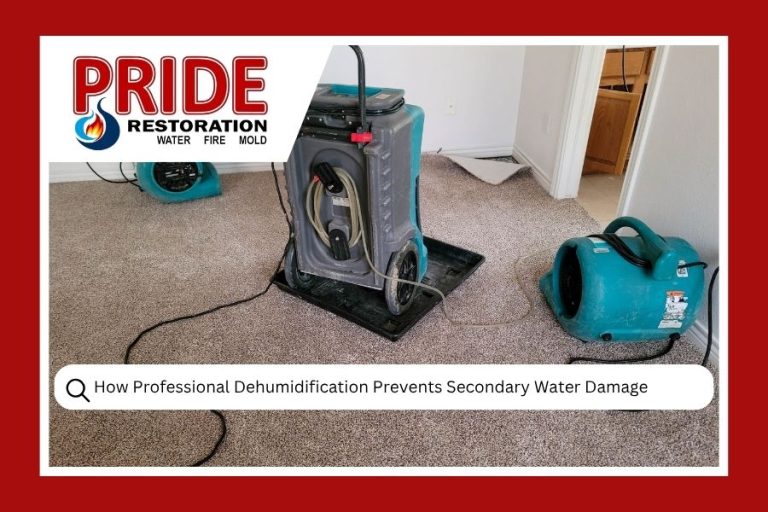
Professional water damage restoration isn’t just someone showing up with a wet-dry vac. Modern restoration requires industrial dehumidifiers, air movers, moisture meters, thermal imaging cameras, and antimicrobial treatments. Equipment rental alone can run $200 to $500 per day, and most jobs need equipment on-site for 3 to 7 days.
Labor costs in the St. Louis area have increased in 2025, with skilled restoration technicians earning $45 to $75 per hour. A typical crew of 2 to 3 technicians might work your job for several days, especially for larger projects.
Hidden Costs People Forget About
Beyond the obvious repairs, consider these often-overlooked expenses:
Content pack-out and storage if furniture and belongings need to be moved off-site during restoration can cost $500 to $2,000. Mold testing and remediation might add $500 to $6,000 depending on extent. Temporary housing if your home is uninhabitable during major repairs could run hundreds per day. Upgraded materials if you decide to improve while repairing can significantly increase costs.
What Your Insurance Will Actually Cover
Let’s talk about the elephant in the room: insurance. Most homeowners assume their policy covers water damage, and while that’s often true, there are significant limitations you need to understand.
Standard homeowners insurance typically covers sudden and accidental water damage. That burst pipe in your wall? Usually covered. That slow leak from your water heater that’s been dripping for months? Probably not. Flood damage from external sources? Definitely not covered unless you have separate flood insurance.
At Pride Cleaning And Restoration, Inc., we work with insurance companies daily and can help you navigate how to get insurance to pay for water damage. Here’s the reality: your insurance adjuster will calculate costs differently than your restoration company, and understanding that gap upfront saves a lot of frustration later.
Deductibles and Depreciation
Your out-of-pocket costs start with your deductible, typically $500 to $2,500. But depreciation is where things get tricky. Many policies pay “actual cash value” initially, which factors in depreciation of damaged materials. You might not receive full replacement cost reimbursement until after repairs are complete and you submit receipts.
If your 10-year-old carpet was damaged, insurance might only pay for its depreciated value initially, meaning you pay the difference upfront and get reimbursed later. This can create temporary cash flow challenges for homeowners.
DIY vs. Professional Restoration: When It’s Worth Calling in the Pros
We get it. You’re handy, you’ve got a shop vac, and you’re thinking about tackling this yourself to save money. For very minor water damage (a small, clean water spill caught immediately), DIY might work. But here’s where professional restoration pays for itself:
Professional restoration companies have industrial equipment that dries structures 10 times faster than consumer-grade fans and dehumidifiers. Faster drying means less secondary damage and lower total costs.
Plus, if you attempt DIY restoration and miss hidden moisture, you’re on the hook for the mold remediation costs later, which will dwarf whatever you saved upfront.
Contact Our Water Damage Experts
St. Louis-Specific Cost Considerations
Living in the St. Louis area comes with unique challenges that affect water damage costs. Let’s talk about what makes our market different.
Seasonal Storm Damage
Our spring and summer storm seasons bring intense rainfall that overwhelms gutters, backs up sewers, and causes basement flooding. Peak season (May through August) can mean longer wait times for restoration services and sometimes higher emergency rates. Planning ahead with water damage prevention strategies helps you avoid premium emergency pricing.
Older Home Infrastructure
St. Louis has gorgeous historic homes, but many have aging plumbing systems, old cast iron pipes, and outdated drainage. Repairs in older homes often uncover additional issues once walls are opened, increasing project scope and cost. We’ve seen this countless times in our 37+ years serving the area.
Foundation and Soil Issues
Our clay-heavy soil expands and contracts with moisture changes, affecting foundations and creating pathways for water intrusion. Addressing these underlying structural issues adds costs but prevents recurring damage.
How to Minimize Your Water Damage Repair Costs
You can’t always prevent water damage, but you can take steps to minimize the financial impact when it happens.
Prevention Strategies That Actually Work
Regular maintenance prevents most water damage. Inspect supply lines to washing machines, dishwashers, and toilets annually. Replace hoses every 5 years. Keep gutters and downspouts clear and extending at least 5 feet from your foundation. Test your sump pump quarterly if you have a basement. Know where your main water shutoff is and make sure everyone in your household knows too. Consider installing water leak detection devices, especially in high-risk areas.
Preventing frozen pipes is crucial in St. Louis winters, where we can swing from 50°F to 15°F in a day or two.
What to Do When Damage Occurs
Your response in the first hours directly impacts final costs. Stop the water source immediately if possible. Document everything with photos and videos before touching anything. Call your insurance company to report the claim. Contact a professional restoration company for assessment. Remove standing water as quickly as possible. Move valuable items to dry areas.
Acting fast and following critical steps to stop water damage after a pipe burst can cut your final bill in half compared to delayed response.
2025 Cost Trends and What to Expect
The water damage restoration industry has seen some shifts in 2025 that affect pricing. Material costs have stabilized after the volatility of recent years, but they’re still about 15% higher than pre-2020 levels. Labor costs continue climbing as skilled technicians are in high demand. Insurance companies are increasingly scrutinizing claims and may push for lower-cost solutions.
Technology improvements, particularly in moisture detection and drying equipment, have made the restoration process more efficient. While equipment costs have increased, restoration timelines have shortened, potentially offsetting some labor expenses.
Questions You Should Ask Any Restoration Company
When you’re getting estimates, don’t just look at the bottom line number. Ask these questions to understand what you’re really paying for:
Are you licensed and insured for water damage restoration in Missouri? What’s included in your estimate (equipment, labor, materials, disposal)? How long will the drying process take? What’s your process for documenting moisture levels? Will you work directly with my insurance company? Do you have references from recent St. Louis area projects? What warranties or guarantees do you offer on your work?
At Pride Cleaning And Restoration, Inc., transparency is part of our A+ BBB rating. We break down every line item so you know exactly where your money is going. Whether you need fire damage restoration or emergency water services, we provide upfront, honest pricing.
The Bottom Line on Water Damage Costs
Water damage repair costs in St. Louis range widely based on the severity, timing, and type of damage involved. While you might see average ranges of $3 to $10 per square foot, real-world projects rarely fit neatly into averages. Small jobs might come in under $1,000, while major flooding can easily exceed $50,000.
The best approach is to get multiple detailed estimates, understand your insurance coverage before you need it, invest in prevention, and respond immediately when damage occurs. Every hour you wait after water damage happens, your final bill likely increases.
We’ve been helping St. Louis homeowners through these situations for over 37 years. We’ve seen every type of water damage scenario imaginable, from bathroom leak situations in Millstadt to fixing water damaged drywall throughout the metro area. Our goal is always to get your home back to normal as efficiently and affordably as possible.
Ready to Get Started?
Our veteran-owned team has been serving St. Louis since 1987. We’re available 24/7 for water damage emergencies.
📞 Call Now: (314) 664-8844
Frequently Asked Questions
Does homeowners insurance cover all types of water damage repair costs in St. Louis?
No, standard homeowners insurance typically covers sudden and accidental water damage, like burst pipes or appliance failures, but excludes gradual leaks and external flooding. Flood damage requires separate flood insurance. Your policy will have specific exclusions and limitations, so review your coverage and understand your deductible before filing a claim.
How much does it cost to repair water damage from a burst pipe in a St. Louis home?
Burst pipe repairs in St. Louis typically range from $2,000 to $10,000 depending on location, water volume, and how long it took to stop the flow. Basement floods cost less per square foot than upper-floor damage, which can affect multiple levels. Quick response and professional drying equipment significantly reduce total costs by preventing secondary damage.
What factors increase water damage repair costs the most in older St. Louis homes?
Older homes often have hidden damage behind walls, outdated materials like plaster that cost more to repair, asbestos or lead paint that require special handling, and foundation issues that need addressing. Once walls are opened during water damage repairs, additional problems are often discovered, increasing project scope by 20-40% compared to initial estimates.
Should I wait for my insurance adjuster before starting water damage repairs?
No, waiting can cause additional damage and mold growth, potentially voiding coverage for secondary damage. Document everything thoroughly with photos and videos, then begin emergency mitigation immediately. Call your insurance company to report the claim, but don’t delay critical drying and water removal. Most policies require you to mitigate further damage promptly.