Nobody expects to wake up to a flooded basement or come home to water pouring from their ceiling. But when water damage strikes your St. Louis home, those first 24 hours can make the difference between a manageable cleanup and a complete renovation nightmare. Having dealt with thousands of emergency calls over our 37+ years in business, we’ve seen how quickly water can go from a minor inconvenience to a major headache. The good news? If you know what to do (and what NOT to do), you can significantly minimize the damage and get back to normal life faster.
Let’s walk through the critical timeline and actions that can save your property, your belongings, and quite possibly your sanity when water damage restoration St Louis emergencies happen.

Water damage emergencies require immediate action to prevent extensive property damage and costly repairs.
Hour 1: Stop, Assess, and Stay Safe
Turn Off the Water Source
First things first, if the water is still flowing, you need to stop it. This might mean shutting off the main water valve, turning off a specific fixture, or calling your utility company if it’s a street-side issue. Don’t be the hero who tries to fix a major pipe burst with duct tape, trust me on this one.
Check for Electrical Hazards
Water and electricity are about as compatible as cats and bath time. Before you wade into standing water, make sure the electricity to that area is turned off at the breaker box. If you can’t safely reach the breaker or if there’s any doubt, call an electrician. The Electrical Safety Foundation International emphasizes that water-related electrical hazards are a leading cause of home electrocutions.
Document Everything
Grab your phone and start taking photos and videos of everything. Insurance companies love documentation, and your memory of the damage will fade faster than you think. Capture the water source, the affected areas, and any damaged belongings.
Feeling overwhelmed already? Don’t worry, help is available 24/7.
Hours 2-6: Begin Water Removal and Salvage Operations
Remove Standing Water
The clock is ticking, and every minute that water sits there, it’s causing more damage. If you have a wet/dry shop vacuum, put it to work. For larger amounts of water, you might need a sump pump or professional extraction equipment. Don’t use your regular household vacuum, it’s not designed for water and you’ll likely end up with two problems instead of one.
Move Belongings to Safety
Get your furniture, electronics, important documents, and personal items out of the affected area. Even if something looks dry now, humidity and continued exposure can cause damage later. Pay special attention to items with sentimental value that can’t be replaced.
Start Air Circulation
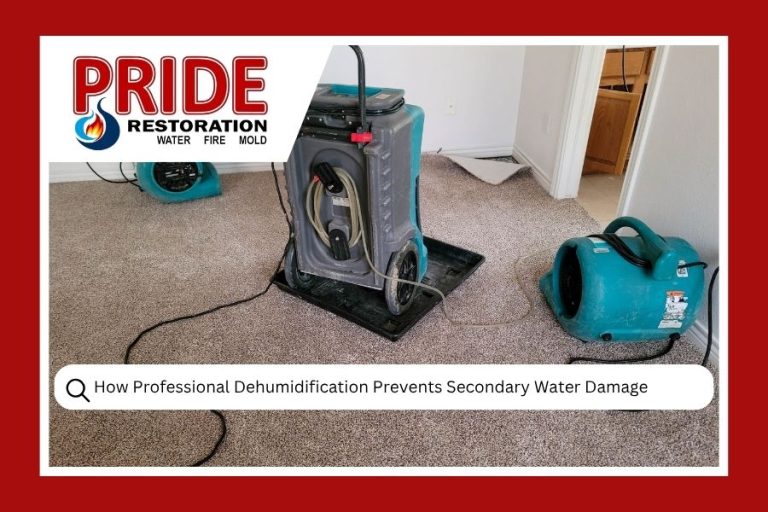
Open windows if weather permits, and get every fan you own blowing air across wet surfaces. Professional water damage restoration services use powerful air movers and dehumidifiers, but your household fans are better than nothing in the short term.

Professional-grade water extraction and drying equipment can restore your property faster and more thoroughly than household tools.
Hours 6-12: Deep Cleaning and Prevention Mode
Remove Wet Materials
Carpet padding, drywall that’s been soaked, and insulation need to come out. These materials act like sponges and will continue to hold moisture, creating perfect conditions for mold growth. It’s not fun work, but it’s necessary.
Clean and Disinfect
Any surface that came in contact with the water needs to be cleaned with a disinfectant solution. This is especially important if the water came from outside sources, appliance overflows, or sewage backups. A mixture of one cup bleach to one gallon of water works well for most surfaces.
Monitor for Mold
Keep an eye out for any signs of mold growth, which can start appearing within 24-48 hours in the right conditions. If you’re dealing with contaminated water or have extensive damage, it’s worth having professional assessment done to ensure all moisture has been properly addressed.
Hours 12-24: Long-Term Protection and Next Steps
Maintain Drying Conditions
Keep those fans running and maintain good air circulation. If you have a dehumidifier, use it. The goal is to get the humidity levels back to normal as quickly as possible. Professional restoration teams typically aim for moisture levels below 12% in wood and other materials.
Contact Your Insurance Company
Most insurance policies require prompt notification of water damage. Have your documentation ready and be prepared to provide details about the cause of the damage, when it occurred, and what steps you’ve taken so far. According to the Insurance Information Institute, water damage claims are among the most common homeowner’s insurance claims, so insurers have specific procedures for handling them.
Schedule Professional Assessment
Even if you think you’ve got everything under control, it’s worth having a professional take a look. Hidden moisture in wall cavities, under floors, or in other hard-to-reach areas can cause problems weeks or months later. Our team provides University City mold remediation services and has seen too many “simple” water damage situations turn into major mold problems because hidden moisture wasn’t properly addressed.
Critical Water Damage Response Timeline
| Time Frame | Priority Actions |
|---|---|
| First Hour | Stop water source, ensure electrical safety, take photos, call emergency services if needed |
| Hours 2-6 | Remove standing water, move belongings to safety, begin air circulation, contact insurance |
| Hours 6-12 | Remove water-damaged materials, clean and disinfect surfaces, check for contamination |
| Hours 12-24 | Maintain drying conditions, complete documentation, schedule professional assessment |
What NOT to Do During Water Damage Emergencies
Sometimes knowing what not to do is just as important as knowing what to do. Here are the mistakes we see homeowners make that can turn a bad situation worse:
- Don’t wait “to see if it dries on its own.” Water damage doesn’t get better with time, it gets worse. Much worse.
- Don’t use electrical appliances in wet areas. This includes hair dryers, space heaters, and regular vacuums. The risk of electrocution or fire isn’t worth it.
- Don’t ignore the smell. If something smells off, it probably is. Musty odors often indicate mold growth or contaminated water.
- Don’t try to dry everything in place. Some materials need to be removed and disposed of properly. Trying to save carpet padding or soaked insulation usually leads to bigger problems later.
When to Call the Professionals
Look, we get it. Nobody wants to spend money on professional restoration services if they can handle it themselves. But some situations require expertise and equipment that most homeowners don’t have access to. You should call professionals when:
- ✓The affected area is larger than 10 square feet
- ✓The water came from outside sources (flooding, storm damage)
- ✓You’re dealing with sewage or contaminated water
- ✓There’s any possibility of structural damage
- ✓You’re seeing signs of mold growth
- ✓Your initial efforts aren’t making a significant difference
At Pride Cleaning and Restoration Inc, we’ve been helping St. Louis area homeowners deal with water damage emergencies since 1987. Our veteran-owned team understands that disasters don’t happen on a schedule, which is why we provide 24/7 emergency response throughout the greater St. Louis metro area.
Water damage can be overwhelming, but with the right approach and quick action, you can minimize the impact on your home and your life. Remember, the key is acting fast, staying safe, and knowing when to bring in the experts.
For more detailed guidance on handling water damage situations, check out our comprehensive guide on steps to take after water damage recovery and learn about the common signs of water damage to watch for in your home.
Need Emergency Water Damage Help?
Don’t wait – water damage gets worse every hour. Our certified technicians are standing by 24/7.
Frequently Asked Questions
How quickly does mold start growing after water damage?
Mold can begin growing within 24-48 hours in the right conditions (moisture, warmth, and organic material to feed on). This is why the first 24 hours are so critical for preventing mold issues. High humidity levels above 60% create ideal conditions for mold spores to germinate and spread.
Can I handle water damage cleanup myself, or do I need professionals?
Small incidents affecting less than 10 square feet can often be handled by homeowners if addressed immediately. However, professional help is recommended for larger areas, contaminated water, or if you’re seeing signs of structural damage. Insurance companies also often require professional assessment for claims.
What’s the difference between clean water, gray water, and black water damage?
Clean water comes from clean sources like supply lines or rainwater. Gray water contains some contaminants from sources like washing machines or dishwashers. Black water is heavily contaminated with sewage or outside flood water and requires professional handling due to health risks.
Will my homeowner’s insurance cover water damage restoration?
Coverage depends on the cause of the damage and your specific policy. Sudden, accidental damage (like burst pipes) is typically covered, while gradual damage from leaks or flood damage usually requires separate flood insurance. Document everything and contact your insurance company as soon as possible to understand your coverage. For more detailed information about working with insurance companies, read our guide on how to get insurance to pay for water damage.