Water doesn’t wait. Neither should you. When a pipe bursts at 2 a.m. or a storm sends water into your basement, every minute counts. Emergency water removal isn’t just about getting rid of puddles. It’s about stopping a chain reaction of damage that gets worse with each passing hour.
At Pride Cleaning And Restoration, Inc., we’ve seen what happens when homeowners hesitate. A small leak becomes warped flooring. Damp drywall turns into a mold problem. After 37 years serving St. Louis area families, we know this truth: the damage you can’t see is often worse than what you can.
Why Emergency Water Removal Must Happen Within 48 Hours
Water destroys things fast. The IICRC S500 Standard for water damage restoration exists because professionals understand this timeline isn’t negotiable.
Water migrates. It doesn’t stay in one spot. Within minutes, it’s wicking up drywall, soaking into carpet padding, seeping beneath flooring. What looks like a puddle in the kitchen is actually traveling through your subfloor toward the living room. By the 48-hour mark? You’re likely dealing with mold growth on top of structural damage.

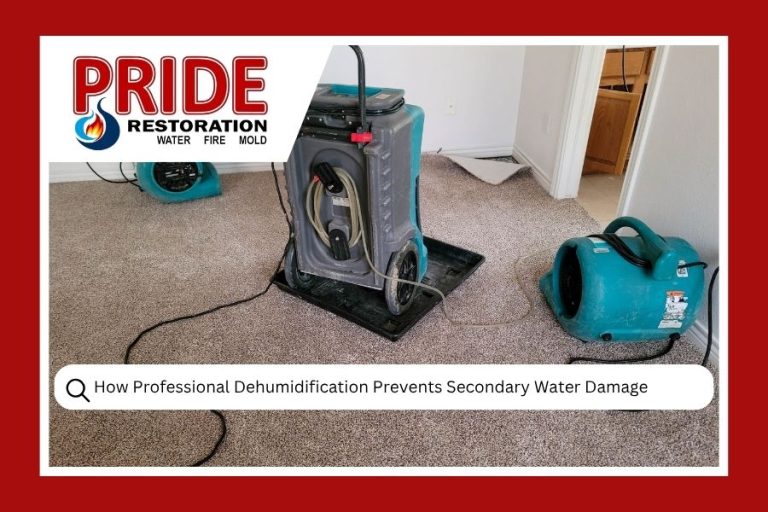
Professional air movers accelerate drying and help prevent secondary damage after emergency water removal.
Water Damage Timeline: Hour by Hour
| Timeframe | What’s Happening |
|---|---|
| 0-1 Hours | Water spreads, soaks into carpet and padding |
| 1-24 Hours | Drywall absorbs moisture, wood swells, metal corrodes |
| 24-48 Hours | Mold spores activate, musty odors develop |
| 48+ Hours | Active mold colonies, structural damage escalates |
The EPA warns that mold can begin growing within 24 to 48 hours. Once it takes hold, you’re facing a mold remediation project on top of water damage.
What Professional Emergency Water Extraction Looks Like
A shop vac from the garage won’t cut it. Professional water removal uses commercial-grade equipment designed to extract water from places you can’t see or reach.

Weighted extraction mats pull moisture from hardwood without requiring demolition.
Truck-mounted extractors remove hundreds of gallons per hour. Submersible pumps handle standing water in flooded basements. Then comes the real work: drying what remains. Industrial dehumidifiers pull moisture from the air while air movers create airflow across wet surfaces. Infrared cameras and moisture meters track water behind walls and under floors. This isn’t guesswork. It’s measured, documented restoration that proves to your insurance company exactly what happened and what was done about it.
Emergency Water Removal Checklist
- ✓ Water extraction with commercial pumps
- ✓ Moisture detection behind walls
- ✓ Industrial dehumidification
- ✓ Air mover placement for drying
- ✓ Daily moisture readings until normal
What St. Louis Homeowners Can Do While Waiting
You’ve made the call. Help is coming. Those minutes in between still matter.

Combining air movement with extraction speeds up drying in carpet and padding.
Safety first. If water is near electrical outlets or your breaker box, stay away until power is off. Standing water and electricity don’t mix, and no possession is worth risking your life. If safe, you can stop the water source by shutting off the main valve, move furniture off wet carpet, place aluminum foil under wooden furniture legs, and take photos for your insurance claim before anything gets moved.
Don’t start ripping out wet drywall yourself. That makes it harder for restoration crews to assess the full extent of damage and might spread contaminated water to clean areas. Let the professionals handle demolition decisions.
The Cost of Waiting vs. Acting Fast
Here’s something worth knowing: water damage costs typically double or triple when response is delayed beyond 48 hours. What might have been a straightforward extraction and dry-out becomes demolition, mold treatment, and reconstruction. A $3,000 cleanup turns into a $12,000 restoration project.
Our team has helped families across Webster Groves, Chesterfield, and the St. Louis metro area avoid that escalation. Quick response isn’t just about convenience. It’s about protecting your wallet and your family’s health. If you’re dealing with water now, don’t wait until morning. Pride Cleaning And Restoration, Inc. offers 24/7 emergency response because water damage doesn’t respect business hours. Call (314) 664-8844.
For more guidance, see our flood cleanup guide or learn about water extraction costs.
Frequently Asked Questions
How long does emergency water extraction take?
The extraction phase takes 2-6 hours depending on water volume. Complete drying requires 3-5 days of dehumidification with daily moisture monitoring.
Can I save my carpet after water damage?
Clean water from burst pipes can often be extracted within 48 hours successfully. Carpet exposed to sewage or floodwater typically needs replacement regardless of response time.
Will insurance cover emergency water removal?
Most homeowners policies cover sudden water damage like burst pipes. External flooding requires separate flood insurance. Pride Cleaning And Restoration, Inc. works with insurers and documents damage for claims.
How do I know if water is behind my walls?
Signs include bubbling paint, soft drywall, musty odors, and spreading stains. Professionals use moisture meters and infrared cameras to detect hidden moisture.