Picture this: you’re enjoying a quiet morning with your coffee when you hear that dreaded sound of rushing water where it shouldn’t be. A pipe has burst, and suddenly you’re staring at a growing puddle that’s threatening to turn your peaceful day into a disaster. Don’t panic! While a burst pipe can feel overwhelming, taking quick, smart action can mean the difference between a minor headache and a major catastrophe.

A sudden pipe burst can quickly flood your kitchen or any room, but taking immediate action can prevent extensive damage.
When dealing with water damage restoration st louis emergencies like pipe bursts, every second counts. The longer water sits, the more it spreads, seeps, and causes structural damage that could cost you thousands down the road. Our team has responded to countless burst pipe emergencies across the St. Louis area, and we know that having a clear action plan can save both your property and your sanity. Let’s walk through exactly what you need to do to protect your home and minimize the damage.
Step 1: Shut Off the Water Supply Immediately
The very first thing you need to do is stop the source. Find your main water shut-off valve, usually located near where the water line enters your home or by your water meter. Turn it clockwise to shut off water to your entire house. If you can’t locate the main valve quickly, look for the shut-off valve closest to the burst pipe.
Pro tip: make sure everyone in your household knows where these valves are located. When disaster strikes, you don’t want to be hunting around with a flashlight while water pours into your living room.
Step 2: Turn Off Electricity to Affected Areas
Water and electricity don’t mix, and this combination can be deadly. If water is near any electrical outlets, appliances, or your electrical panel, turn off the electricity to those areas immediately at your circuit breaker. If you can’t safely reach the breaker box without walking through standing water, call an electrician or your utility company for help.
Need Emergency Water Damage Help?
If you’re dealing with extensive water damage, don’t wait!
Step 3: Document Everything for Insurance
Before you start cleaning up, grab your phone and document everything. Take photos and videos of the burst pipe, the water damage, and any affected belongings. This documentation will be crucial for your insurance claim. Make notes about when you discovered the problem and what caused it if you know.
Your insurance company will want to see the extent of the damage, so don’t start throwing away damaged items until you’ve thoroughly documented them.
Step 4: Remove Standing Water and Belongings
Now it’s time to get that water out of there. For small amounts, towels and a wet/dry vacuum can do the trick. For larger areas, you might need to rent or buy a pump.
While you’re removing water, also move any salvageable belongings to a dry area. Furniture, electronics, important documents, and personal items should be your priority. The sooner you get them out of the water, the better chance you have of saving them.
✓ Quick Water Removal Checklist
Step 5: Start the Drying Process
Mold can start growing within 24-48 hours in wet conditions, so getting everything dried out quickly is essential. Open windows and doors to increase airflow, set up fans to circulate air, and use dehumidifiers if you have them.

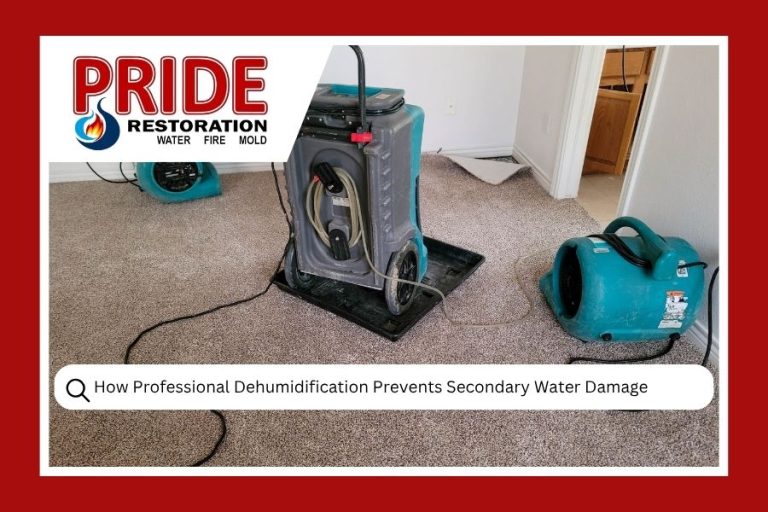
Professional drying equipment like industrial fans and dehumidifiers ensure thorough moisture removal to prevent mold growth.
Don’t forget about hidden moisture in walls, under flooring, and in insulation. These areas might look dry on the surface but could be harboring moisture that leads to mold growth and remediation problems later. According to the Environmental Protection Agency, mold can start developing within 24-48 hours in the right conditions, which is why thorough drying is so critical.
Step 6: Contact Your Insurance Company
Call your insurance company as soon as possible to report the damage. Many insurers have 24/7 claim reporting, so don’t wait until business hours. Be prepared to provide the documentation you took earlier and a detailed description of what happened.
Ask about your coverage for water damage and what steps they recommend. Some insurance companies work with preferred restoration contractors who can start the mitigation process while your claim is being processed. The Insurance Information Institute provides helpful resources for understanding what types of water damage are typically covered under standard homeowner’s policies.
Step 7: Call Professional Water Damage Restoration Services
While you can handle some initial cleanup yourself, significant water damage usually requires professional help. Restoration professionals have industrial-grade equipment to extract water, dry out hidden moisture, and prevent mold growth that you simply can’t achieve with household tools.
Professional restoration teams can also help navigate the insurance process and ensure that all damage is properly documented and repaired. When you’re dealing with structural damage, flooring replacement, or potential mold issues, it’s worth having experts handle the job. For homes in areas like University City, where older plumbing systems are common, professional assessment is especially important to identify underlying issues that might cause future problems.
⏰ Emergency Response Timeline
0-5 Minutes
Shut off water & electricity
5-15 Minutes
Document damage & call insurance
15-60 Minutes
Start water removal & call professionals
24-48 Hours
Complete drying to prevent mold
What NOT to Do After a Pipe Burst
Just as important as knowing what to do is understanding what to avoid:
- Don’t use regular household fans near electrical outlets in wet areas – use fans only in safe, dry locations
- Don’t ignore water behind walls – just because you can’t see it doesn’t mean it’s not there
- Don’t wait to start cleanup – every hour you wait allows more damage to occur
- Don’t assume everything will dry on its own – proper drying requires airflow and often professional equipment
Why Quick Action Matters in St. Louis
Here in St. Louis, our climate can work against us when it comes to water damage. High humidity levels, especially during summer months, can slow down the drying process and create perfect conditions for mold growth. Winter pipe bursts are particularly challenging because heating systems may not be running efficiently in damaged areas.
The good news is that our team at Pride Restoration understands these local challenges. We’ve been helping St. Louis homeowners deal with water emergencies for over 37 years, and we know how to work quickly to prevent further damage in our Missouri climate. For immediate assistance with water damage restoration, our emergency response team is available 24/7 to help minimize damage and start the recovery process.
When to Call for Emergency Help
Some situations require immediate professional attention:
- Sewage backup – this requires specialized biohazard cleanup and poses serious health risks
- Category 3 water damage – contaminated water from outside sources
- Structural damage – sagging ceilings, warped floors, or compromised walls
- Electrical hazards – water near electrical panels or extensive outlet damage
- Large volumes of water – more than a few inches throughout multiple rooms
Don’t hesitate to call for help if the situation feels beyond what you can handle safely. Professional restoration teams have the training, equipment, and experience to handle even the most challenging water damage scenarios.
If you’re interested in learning more about prevention and recovery, we have several helpful resources. Understanding what leads to burst pipes can help you identify risk factors in your home before problems occur. For comprehensive recovery guidance, our guide on steps to take after water damage recovery provides detailed information about the restoration process. And for proactive homeowners, creating a water damage response plan ahead of time can save valuable minutes during an emergency.
Don’t Let Water Damage Control Your Life
When disaster strikes, you need experienced professionals who understand the urgency. Our veteran-owned team has been serving St. Louis for over 37 years with 24/7 emergency response.
Get Your Free Emergency Estimate
Available 24/7 • Licensed & Insured • BBB A+ Rated
Frequently Asked Questions
How quickly should I respond to a burst pipe?
You should respond immediately, within the first few minutes if possible. The faster you shut off the water and begin cleanup, the less damage will occur. Water damage becomes exponentially more expensive and complex to repair the longer it’s left untreated.
Will my homeowner’s insurance cover burst pipe damage?
Most homeowner’s insurance policies cover sudden and accidental water damage from burst pipes, but coverage can vary. Damage from gradual leaks or lack of maintenance typically isn’t covered. Contact your insurance company immediately to understand your specific coverage.
How long does it take for mold to start growing after water damage?
Mold can begin growing within 24-48 hours in the right conditions. This is why quick action and thorough drying are so critical after a pipe burst. If moisture remains trapped in walls or flooring, mold problems can develop even if surfaces appear dry.
Can I handle water damage cleanup myself, or should I hire professionals?
Small amounts of clean water from supply lines can often be handled with DIY cleanup if addressed immediately. However, extensive damage, contaminated water, or situations involving structural elements typically require professional restoration services to ensure proper cleanup and prevent long-term problems.