Water damage is one of those things we all think won’t happen to us until it does. Living in St. Louis, we’ve seen our fair share of storm damage, basement floods, and busted pipes over the years. The truth? Most of the expensive water damage restoration St. Louis homeowners need could have been prevented with a little know-how. At Pride Cleaning And Restoration, Inc., we’ve been helping folks recover from water damage since 1987, and honestly, we see the same mistakes happen over and over again. Let’s talk about the big ones so you don’t have to learn the hard way.
Mistake #1: Waiting Too Long to Call for Help
Here’s the thing about water damage: time is everything. We get it, nobody wants to admit they need professional help, especially when you’re staring at a puddle and thinking, “I can probably just dry this up myself.” But every hour you wait, that water is soaking deeper into your floors, climbing up your walls, and creating the perfect little paradise for mold.
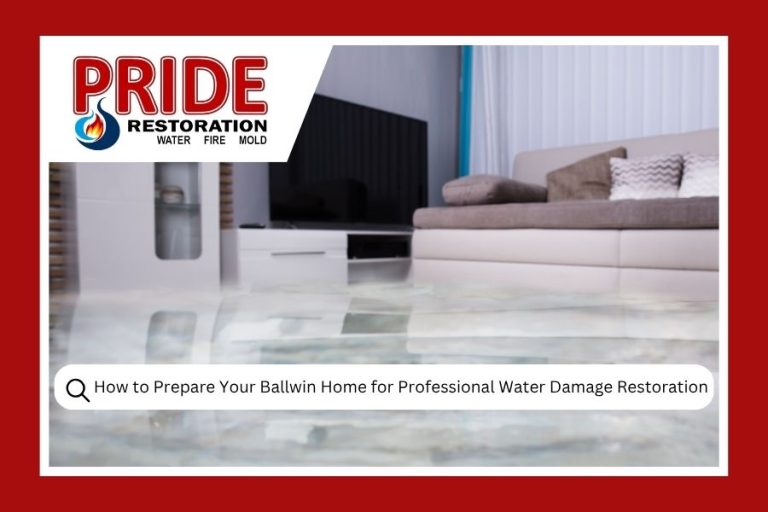
The first 24 to 48 hours after water damage are critical. That’s when you can still prevent most of the serious problems. But wait three or four days? Now you’re not just dealing with wet carpet, you’re looking at structural damage, warped floors, and potential mold growth that needs professional remediation.
Water Damage Timeline: What Happens When
Within Minutes to Hours
Water spreads quickly, saturating carpets, floors, and walls. Furniture begins absorbing moisture.
24 to 48 Hours
Drywall swells and begins breaking down. Metal surfaces tarnish. Mold and mildew may begin growing.
3 to 7 Days
Serious mold growth, structural damage to wood, and increased restoration costs. Potential biohazard contamination.
More Than 1 Week
Extensive structural damage, toxic mold growth, and significantly higher restoration costs. Some items may be unsalvageable.
What You Should Do Instead
As soon as you spot water where it shouldn’t be, start the clock. Document everything with photos (your insurance company will thank you), shut off the water source if you can, and get in touch with a restoration company right away. Even if it seems minor, a quick inspection can save you thousands down the road.
Mistake #2: Not Knowing Where Your Water Shut-Off Valve Is
Quick quiz: if a pipe burst in your home right now, could you find and turn off the main water valve in under two minutes? If you hesitated, you’re not alone, but this one’s a big deal.
We’ve seen homeowners lose an extra hour (or more) of flooding damage simply because they couldn’t locate their shut-off valve during an emergency. That’s an hour of water gushing into your home, destroying everything in its path. And let’s be honest, when you’re in panic mode with water everywhere, that’s not the best time to start googling “where is my water main.”
What You Should Do Instead
Right after you finish reading this, go find your main water shut-off valve. It’s usually in the basement near where the water line enters your home, or sometimes outside near the water meter. Take a photo of it, make sure everyone in your household knows where it is, and test it to make sure it actually works. While you’re at it, label it with a tag so there’s no confusion when seconds count. For more tips on preventing water emergencies, check out our guide on water damage prevention.
Mistake #3: Ignoring Small Leaks Because They’re “Not That Bad”
You know that little drip under the sink? The one you’ve been meaning to fix for three months? Yeah, that’s not as harmless as it looks. Small leaks are sneaky troublemakers. They might not seem urgent, but they’re constantly feeding moisture into places you can’t see, like inside your cabinets, behind your walls, or under your floors.

Even minor leaks like this can cause thousands of dollars in hidden damage over time.
By the time you notice visible damage, that “small” leak has usually been causing problems for weeks or even months. We’ve pulled back drywall to find completely rotted studs, all from a leak that homeowners swore “just started last week.” The damage was there all along, it just hadn’t become obvious yet.
What You Should Do Instead
Fix small leaks immediately. And I mean immediately, not “I’ll get to it this weekend” immediately. Even if you’re not handy, a simple repair now beats a major restoration project later. Can’t fix it yourself? Call a plumber. If you’re seeing water stains or noticing musty smells, that’s your home telling you something’s wrong.
Need Help With Water Damage?
At Pride Cleaning And Restoration, Inc., we’ve been serving St. Louis homeowners since 1987. Our veteran-owned team responds quickly, works with your insurance, and uses professional-grade equipment to restore your home properly.
Call us 24/7: (314) 664-8844 or fill out this online form for a free estimate
Mistake #4: Using the Wrong Equipment (Or No Equipment at All)
Okay, so disaster struck and you’re trying to clean it up yourself. Good for you for taking action! But here’s where things go sideways: you grab some towels, maybe a household fan, and figure that’s good enough. Unfortunately, it’s really not.

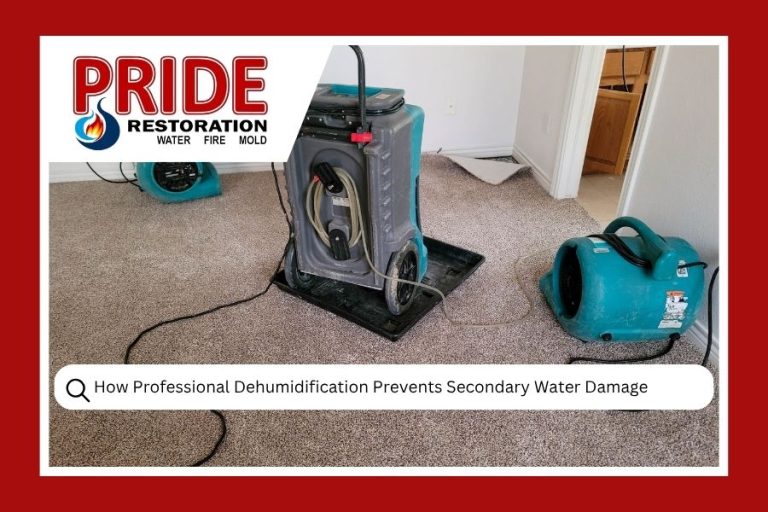
Professional restoration equipment like industrial dehumidifiers and air movers are essential for proper drying.
Standard fans and towels can’t remove moisture from the places it really matters, like inside walls, under flooring, or in structural materials. Professional water restoration isn’t just about making things look dry on the surface. We use industrial dehumidifiers, air movers, and moisture meters to make sure everything is actually dry, not just dry-ish. There’s a big difference, and that difference is whether or not you’ll be dealing with mold problems in a few weeks. According to the EPA, mold can begin growing within 24 to 48 hours when moisture is present, which is why proper drying equipment and techniques are so critical.
What You Should Do Instead
If you’re dealing with anything more than a minor spill, bring in the pros. Professional restoration companies have the right equipment to detect moisture you can’t see and remove it completely. We’re talking thermal imaging cameras, commercial-grade dehumidifiers, and the training to know how to use them properly. It’s not just about having fancy tools, it’s about knowing how much drying time different materials need and checking moisture levels scientifically, not by feel.
Mistake #5: Not Understanding Your Insurance Coverage
Here’s a mistake that doesn’t involve water at all, but it’ll cost you just as much: not knowing what your homeowners insurance actually covers before you need it. We hear it all the time: “I thought my insurance would cover this.” Unfortunately, insurance policies can be really confusing, and most people don’t realize what they’re missing until they file a claim.
For instance, most standard policies cover sudden water damage (like a burst pipe) but not gradual damage (like that leak we talked about earlier that you ignored for months). Flood damage? That usually requires separate flood insurance, and the Insurance Information Institute notes that flood damage is one of the most common exclusions in standard homeowner policies. Sewer backup? Often needs an additional rider. And if your claim gets denied because the damage falls into one of these categories, you’re stuck with the full bill.
| Type of Water Damage | Typically Covered? |
|---|---|
| Burst pipes | ✓ Usually Yes |
| Appliance leaks (sudden) | ✓ Usually Yes |
| Storm/roof damage | ✓ Usually Yes |
| Gradual leaks | ✗ Usually No |
| Flood damage | ✗ Requires Separate Policy |
| Sewer backup | ⚠ May Require Rider |
| Lack of maintenance | ✗ Usually No |
What You Should Do Instead
Don’t wait for an emergency to read your policy. Call your insurance agent now and ask specific questions:
- Am I covered for burst pipes?
- What about sewer backups?
- Do I have flood insurance, or do I need it?
- What’s my deductible for water damage?
- Are there any exclusions I should know about?
We put together a detailed guide on how to get insurance to pay for water damage that walks you through the whole process. When you do have water damage, document everything with photos and videos, keep all receipts, and report it to your insurance company immediately. The better your documentation, the smoother your claim process will be.
Common St. Louis Water Damage Risks to Watch For
Living in the St. Louis area comes with some specific water damage risks worth mentioning. Our weather is all over the place, heavy spring rains can overwhelm drainage systems, summer storms roll through with impressive fury, and winter brings the joys of frozen and burst pipes. Old homes with aging plumbing? We’ve got plenty of those too.
The good news is that most of these problems are predictable, which means they’re also preventable. Regular maintenance goes a long way. Have your plumbing inspected every few years. Clean your gutters. Make sure your sump pump works before storm season (and maybe have a battery backup just in case). Little stuff like that can save you from major headaches.
When You Need Professional Water Damage Restoration
Look, we’re not saying you need to call a restoration company every time you spill a glass of water. But if you’re dealing with anything beyond a minor, surface-level problem, getting professional help is the smart move. That includes things like flooding from storms or plumbing failures, sewage backups (definitely don’t DIY that one), water coming from an unknown source, or any situation where water has been sitting for more than a few hours.
At Pride Cleaning And Restoration, Inc., we’ve been serving the St. Louis community since 1987. We’re veteran-owned, BBB A+ rated, and we’ve seen just about every water damage scenario you can imagine. More importantly, we know how to fix them properly. Our team responds quickly, works directly with your insurance company, and uses the right equipment to make sure your home is completely dry and safe. Give us a call at (314) 664-8844 or fill out this online form for a free estimate.
The Bottom Line on Water Damage Mistakes
Water damage doesn’t have to ruin your home or your bank account. Most of the expensive disasters we see could have been prevented with some basic knowledge and quick action. Know where your shut-off valve is. Fix small leaks before they become big problems. Don’t wait to call for help. Use the right equipment (or hire someone who has it). And for the love of all that’s dry, read your insurance policy before you need it.
These mistakes are common, but they don’t have to be your mistakes. A little preparation and the willingness to get professional help when you need it can save you thousands of dollars and months of stress. Your home is probably your biggest investment, treat it that way. Learn more about emergency water damage response if you’re facing a water emergency right now.
Frequently Asked Questions
How quickly does mold grow after water damage in St. Louis homes?
Mold can start growing within 24 to 48 hours after water damage occurs, especially in our humid St. Louis climate. That’s why immediate action is so important. The longer water sits, the higher your risk of mold development. If you’re dealing with water damage that’s been present for more than two days, it’s worth having a professional check for mold growth, even if you can’t see it yet.
Should I try to dry out water damage myself or call a professional restoration company?
For minor spills or small areas of water damage that you can address immediately, DIY drying might work. But if water has soaked into walls, flooring, or structural materials, if the source was contaminated (like sewage), or if more than a few gallons of water are involved, professional restoration is the safer choice. Pros have moisture meters and thermal imaging to detect hidden water that leads to future problems.
Will my homeowners insurance cover water damage from a burst pipe in winter?
Most standard homeowners insurance policies do cover sudden and accidental water damage from burst pipes. However, coverage can be denied if the insurance company determines the damage resulted from lack of maintenance or if your home was left unheated and you didn’t take reasonable precautions. Review your specific policy and consider adding extra protection for winter-related damage if you travel frequently during cold months.
What’s the difference between water damage restoration and just drying things out?
Drying things out is just one part of water damage restoration. Professional restoration includes water extraction, structural drying with industrial equipment, moisture monitoring, sanitization, mold prevention, deodorization, and repairs to damaged materials. It’s a comprehensive process that ensures your home is not just dry on the surface but truly restored to a safe, pre-damage condition. Simply drying visible water doesn’t address the moisture trapped in walls, subfloors, and other hidden areas that cause long-term problems.
How much does typical water damage restoration cost in St. Louis?
Water damage restoration costs vary widely based on the extent of damage, the source of water, and what materials need repair or replacement. Minor incidents might cost a few hundred dollars, while major flooding can run into thousands. The good news is that many water damage situations are covered by insurance. We offer free estimates and work directly with insurance companies to help make the process as smooth as possible.
Don’t Wait Until Water Damage Gets Worse
The faster you act, the less damage you’ll face. Our veteran-owned team has been serving St. Louis since 1987, and we’re available 24/7 for emergencies.
Or call us now: (314) 664-8844