Insurance adjusters evaluate three things during water damage claims: cause, extent, and coverage eligibility. Know what they’re looking for and you’ll be in a much stronger position to receive fair compensation. At Pride Cleaning And Restoration, Inc., our team has worked alongside adjusters on water damage restoration projects across the St. Louis metro area since 1987, so we’ve seen firsthand what documentation actually moves the needle on claim outcomes.
The numbers tell the story. According to the Insurance Information Institute, water damage and freezing account for roughly 22.6% of all homeowners insurance claims. Average payouts hover around $15,400. That’s real money worth fighting for.
Missouri homeowners face some unique challenges too. Our clay soil causes foundation water intrusion. Spring and summer thunderstorms can be brutal. Understanding the claims process before disaster strikes gives you a serious advantage.
What Insurance Adjusters Look for During Water Damage Claims
Adjusters investigate cause, extent, and policy coverage. That’s it. Everything they examine ties back to those three questions, and their findings directly determine your payout amount.
They’re not just checking boxes. These are trained investigators piecing together what happened, when it happened, and whether your specific policy actually covers it.

A thorough claims review requires detailed documentation from the moment you discover water damage.
Source and Cause Determination
Sudden damage gets covered. Gradual damage usually doesn’t. That’s the core distinction adjusters are trying to make when they investigate the source of your water damage.
A burst pipe or failed water heater? Typically covered. A slow leak you ignored for months? Probably not. Adjusters look at discoloration patterns, material condition, and moisture signatures to determine whether damage happened suddenly or developed over time.
After 37 years in business, we’ve watched adjusters zero in on these details. They can tell the difference between fresh damage and long-term moisture exposure, and that distinction matters enormously for your claim.
Extent of Damage Assessment
Water travels. It wicks through drywall, seeps under flooring, and saturates insulation you can’t even see. Adjusters use moisture meters and thermal imaging cameras to track exactly how far it spread.
Professional adjusters check beyond the obvious damage zone because they know water doesn’t respect boundaries. What looks like a small kitchen leak might have affected the subfloor, wall cavities, and adjacent rooms.
Need Help With Your Water Damage Claim?
Our team documents damage thoroughly and works directly with insurance adjusters to help streamline your claim process.
Documentation Requirements for Missouri Water Damage Claims
Strong documentation makes or breaks your claim. Period. Before the adjuster arrives, you need evidence gathered and a paper trail started. Here’s exactly what to prepare.
Essential Documentation Checklist
- Photos and videos of all damaged areas from multiple angles, taken before any cleanup begins
- Written timeline noting when you discovered the damage, when you called your insurance company, and what immediate steps you took
- Receipts for emergency repairs including mitigation efforts and equipment rentals
- Inventory of damaged belongings with estimated values and purchase dates when available
- Communication log tracking every interaction with your insurance company, including names, dates, and conversation summaries
- Professional assessments from restoration companies documenting scope and water category
Adjusters appreciate organized documentation. Hand them a clear folder with photos, receipts, and a written summary? You’re signaling that you take this seriously. That professional approach often translates to smoother processing.

Organized documentation helps adjusters process your claim more efficiently and accurately.
Understanding Water Damage Categories
Water damage falls into three categories based on contamination level. Adjusters use IICRC standards to classify it, and that classification affects both your restoration approach and your claim value.
| Category | Water Source | Health Risk | Restoration Complexity |
|---|---|---|---|
| Category 1 (Clean Water) |
Broken supply lines, rainwater, melting ice | Low | Standard drying and cleaning |
| Category 2 (Gray Water) |
Dishwasher overflow, washing machine discharge, toilet overflow with urine | Moderate | Sanitization required, some material removal |
| Category 3 (Black Water) |
Sewage backups, river flooding, toilet overflow with feces | Severe | Extensive removal, antimicrobial treatment, specialized equipment |
Here’s what catches Missouri homeowners off guard: water category changes over time. Category 1 water left sitting for 48 hours can deteriorate to Category 2 or 3 as bacteria multiply. Acting fast isn’t just good practice. It can prevent your claim from becoming more complicated and expensive.
Missouri Insurance Claim Timeline
Missouri law sets specific deadlines that protect you as a policyholder. Knowing these timelines helps you hold your insurance company accountable and keeps your claim moving forward.
Missouri Insurance Claim Deadlines
10 working days: Insurance companies must acknowledge your claim after receiving notification.
15 working days: Insurers must accept or deny your claim after receiving properly executed proofs of loss.
5 years: Deadline to file suit for bad faith refusal to pay.
These timelines cut both ways. Your insurer has obligations, yes. But you’re expected to report damage promptly and cooperate fully with the investigation. Delay your initial report or drag your feet on documentation? You’re giving the insurance company ammunition to reduce or deny your claim.
Common Mistakes That Can Derail Your Claim
Some mistakes tank claims repeatedly. We’ve seen them for 37 years across the St. Louis metro area. Avoid these pitfalls and your odds improve significantly.

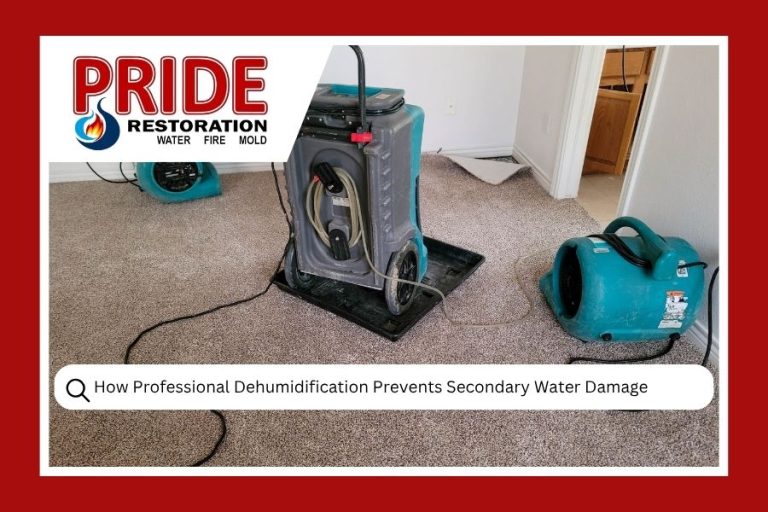
Delayed response to water damage often leads to secondary issues like mold, which complicates insurance claims.
Waiting Too Long to Report
Report immediately. Waiting days or weeks raises red flags with adjusters and can result in outright denial. The moment you discover water damage, pick up the phone.
Throwing Away Damaged Items Too Soon
Document first. Then clean up. Adjusters need to see evidence to properly evaluate your claim. If safety requires removing items quickly, keep samples and take extensive photos before anything goes in the dumpster.
Failing to Mitigate Further Damage
Your policy likely requires you to prevent additional damage. Extract standing water. Run fans. Tarp that leaky roof. Keep every receipt because mitigation expenses are typically reimbursable.
Bringing in a professional mold remediation team quickly matters here. Mold starts growing within 24 to 48 hours, and mold damage often gets treated differently under your policy than the original water damage.
Accepting the First Settlement Offer
First offers often fall short. Get independent repair estimates. Review everything carefully. If the numbers don’t align with actual restoration costs, negotiate.
A trusted restoration company makes this easier. Pride Cleaning And Restoration, Inc. provides detailed assessments and works directly with adjusters to ensure nothing gets overlooked. Our veteran-owned company has built relationships with insurance professionals throughout the St. Louis region over nearly four decades.
Want more details on the restoration process? Our guide on water damage repair steps walks you through what to expect. And if you suspect hidden damage, learning how to search for hidden water damage can help you catch issues before they escalate.
Frequently Asked Questions
How soon will an insurance adjuster visit after I file a water damage claim in Missouri?
Missouri law requires insurers to acknowledge claims within 10 working days. Actual adjuster visits typically happen within a few days to two weeks depending on claim volume. Emergencies with ongoing damage often get prioritized. Haven’t heard back within a week? Call your insurer directly.
Does homeowners insurance cover mold that develops after water damage?
It depends on your policy. Many cover mold remediation when it results directly from a covered water damage event and you acted promptly. Mold from long-term leaks? Usually excluded. Check your policy language and ask your adjuster during inspection. Acting fast to dry affected areas minimizes mold risk and strengthens your coverage position.
Can I start cleaning up water damage before the adjuster arrives?
Yes, and you probably should. Most policies require you to mitigate further damage. The key is documentation before you start. Take extensive photos and videos. Keep samples of damaged materials. Save all receipts. Tell your insurance company what steps you’re taking.
What can I do if I disagree with the adjuster’s damage assessment?
Request their findings in writing first. Then get independent repair estimates from licensed contractors to compare. You can request a re-inspection or use your insurer’s appeals process. Missouri homeowners can also hire public adjusters who represent your interests, not the insurance company’s. Document everything in writing.