When water invades your home or business, it can feel overwhelming. Whether it’s from a burst pipe at 2 AM, storm flooding, or a leaky roof you didn’t notice until it was too late, water damage restoration St. Louis becomes an urgent priority. But what exactly does the restoration process involve, and more importantly, will your insurance help foot the bill?
We’ve been helping St. Louis homeowners and businesses navigate these exact questions for over 37 years. As a veteran-owned company with an A+ BBB rating, we understand that dealing with water damage is stressful enough without worrying about whether you’re covered or what the process entails.
Need Emergency Water Damage Help?
Don’t wait – water damage gets worse by the hour. Our certified technicians are standing by 24/7.
Understanding Water Damage Restoration: More Than Just Drying Out
Water damage restoration isn’t simply mopping up standing water and pointing some fans at wet areas. It’s a comprehensive, multi-step process designed to return your property to its pre-damage condition while preventing future problems like mold growth.

Professional water damage restoration involves specialized equipment and certified techniques to ensure complete moisture removal and prevent secondary damage.
The Complete Water Restoration Process
Assessment and Inspection
Our certified technicians start by identifying the source of the water damage and determining its extent. We use moisture meters and thermal imaging cameras to detect hidden water that might be lurking behind walls or under flooring. This step is crucial because what you can see is often just the tip of the iceberg.
Water Extraction
Using powerful pumps and industrial-grade vacuums, we remove all standing water from affected areas. The faster this happens, the better your chances of minimizing damage and avoiding secondary issues.
Drying and Dehumidification
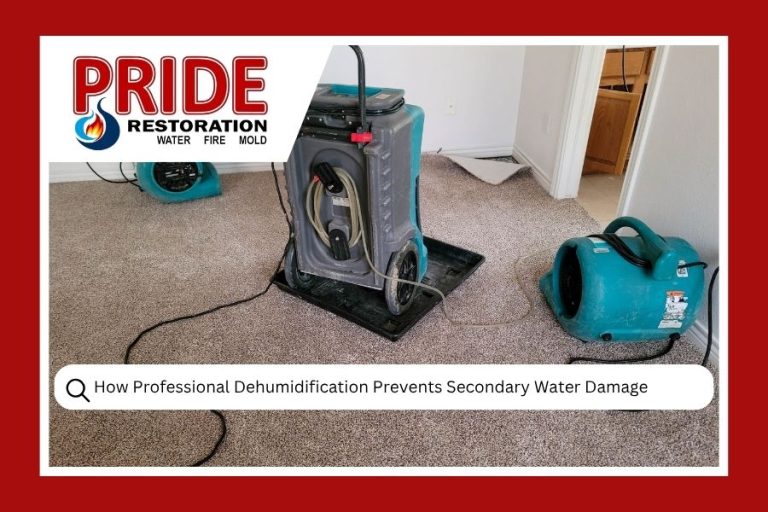
This is where the real magic happens. We strategically place commercial-grade dehumidifiers and air movers throughout your property to pull moisture from the air and structural materials. This process can take anywhere from a few days to over a week, depending on the extent of damage.
Cleaning and Sanitizing
Water often brings contaminants with it, especially if it’s from sewage backups or flooding. We thoroughly clean and disinfect all affected areas to ensure your space is safe and healthy.
Restoration and Repairs
Finally, we repair and rebuild any damaged structures, from replacing drywall to refinishing hardwood floors. Our goal is to make it look like the water damage never happened.
Ready to get started with professional restoration? Don’t wait, reach out to our team through this online form for immediate assistance.
Does Insurance Cover Water Damage Restoration in Missouri?
This is probably the most common question we hear, and honestly, the answer isn’t always straightforward. Insurance coverage for water damage depends on several factors, and understanding these can save you thousands of dollars and a lot of headaches.
Water Damage Insurance Coverage Quick Reference
| Water Source | Typically Covered | Notes |
|---|---|---|
| Burst Pipes | ✓ Yes | Sudden & accidental |
| Appliance Leaks | ✓ Yes | If sudden failure |
| Storm Roof Damage | ✓ Yes | Wind/hail damage |
| Flooding | ✗ No | Requires flood insurance |
| Gradual Leaks | ✗ No | Maintenance issue |
| Sewer Backup | Maybe | Special coverage needed |
What’s Typically Covered
Most standard homeowner’s insurance policies in Missouri cover water damage that is:
- Sudden and accidental – Think burst pipes, appliance malfunctions, or roof leaks from storm damage
- Internal plumbing failures – When your washing machine hose bursts or your water heater fails
- Ice dam damage – Common in Missouri winters when ice causes water to back up under roof shingles
- Vandalism-related water damage – If someone breaks in and leaves faucets running
What’s Usually NOT Covered
Unfortunately, insurance companies have gotten pretty specific about what they won’t cover:
- Flood damage – You need separate flood insurance through FEMA’s National Flood Insurance Program for this, which is crucial in areas like St. Louis that can experience river flooding
- Gradual leaks – If that bathroom leak has been going on for months, you’re likely on your own
- Maintenance-related issues – Damage from old, poorly maintained plumbing typically isn’t covered
- Sewer backups – Many policies exclude this unless you have specific coverage

Basement water damage from flooding typically requires separate flood insurance coverage, not standard homeowner’s policies.
Missouri-Specific Considerations
Missouri’s climate presents unique challenges. We see frequent storms that can cause roof damage leading to water intrusion. The state also experiences temperature swings that can cause pipes to freeze and burst. Most insurance companies in Missouri are familiar with these patterns and adjust their coverage accordingly.
The good news? Missouri law requires insurance companies to clearly explain their coverage, so you should be able to find detailed information about your water damage coverage in your policy documents.
Navigating the Insurance Claims Process
Filing an insurance claim for water damage can feel like learning a foreign language, but it doesn’t have to be complicated. We’ve worked with virtually every insurance company operating in Missouri, and we’ve learned a few things along the way. For detailed guidance on maximizing your claim success, check out our comprehensive guide on how to get insurance to pay for water damage.
Insurance Claims Checklist
- ✓
Document everything immediately – Photos and videos before cleanup - ✓
Contact insurance within 24-48 hours – Most policies require prompt reporting - ✓
Prevent further damage – Board up, tarp, shut off water - ✓
Keep all receipts – Emergency services, temporary lodging, supplies - ✓
Work with certified professionals – Proper documentation is crucial
Document Everything Immediately
Before you start cleaning up (but after you’ve ensured everyone’s safety), grab your phone and start taking photos and videos. Document the water source, all affected areas, and any damaged belongings. Insurance adjusters need to see the full scope of damage to process your claim properly.
Contact Your Insurance Company Right Away
Most policies require you to report water damage within a specific timeframe, often within 24-48 hours. When you call, have your policy number ready and be prepared to provide basic details about what happened, when it happened, and the extent of damage you can see.
Work with Restoration Professionals Who Know Insurance
Here’s something many homeowners don’t realize: not all restoration companies are created equal when it comes to working with insurance. We’ve been dealing with insurance claims for decades, and we know how to document work in a way that helps your claim get approved quickly.
We can even bill your insurance company directly in many cases, which means less out-of-pocket expense for you upfront.
Types of Water Damage and Coverage Scenarios
Understanding the different categories of water damage can help you better assess your situation and potential insurance coverage.
Clean Water Damage
This comes from sources like broken supply lines, rainwater, or melting snow. It’s the easiest type to clean up and typically has the best insurance coverage.
Gray Water Damage
This includes water from appliances like washing machines or dishwashers. It may contain some contaminants but isn’t sewage. Coverage varies depending on the source.
Black Water Damage
This is the most serious category, including sewage backups and flood water. It poses significant health risks and often requires special coverage to be fully addressed.
Water Damage Prevention Tips for St. Louis Homeowners
While we’re always here to help when disaster strikes, we’d rather help you prevent water damage in the first place. Here are some Missouri-specific prevention strategies:
Winter Preparation
- Insulate pipes in crawl spaces and basements
- Keep your thermostat at least 55°F when you’re away
- Know where your main water shutoff valve is located
- Consider installing freeze alarms in vulnerable areas
Regular Maintenance
- Clean gutters and downspouts twice yearly
- Inspect your roof after major storms
- Replace washing machine hoses every 5 years
- Check caulking around tubs and showers annually
Smart Home Upgrades
- Install water leak detectors near appliances and in basements
- Consider a whole-house water monitoring system
- Upgrade old galvanized pipes if your home is more than 50 years old
For a comprehensive list of prevention strategies, including seasonal maintenance tips specific to Missouri’s climate, read our detailed 10 water damage prevention tips.
For comprehensive mold remediation services if water damage leads to mold growth, our team has you covered there too.
When to Call Professionals vs. DIY Cleanup
We appreciate the DIY spirit, especially when you’re trying to save money. However, water damage restoration is one area where trying to go it alone can end up costing you more in the long run.
DIY Might Work For:
- Small leaks caught immediately (less than 10 square feet)
- Clean water only
- No structural damage
- No electrical hazards
Call Professionals When:
- The affected area is larger than 10 square feet
- Water has been standing for more than 24 hours
- You suspect contaminated water
- There’s any electrical involvement
- You can smell mold or musty odors
If you’re not sure whether you have water damage, our guide on common signs of water damage can help you identify potential issues before they become major problems.
Remember, insurance companies often require professional documentation and work to validate claims for significant damage.
Working with St. Louis Restoration Experts
Choosing the right restoration company can make the difference between a smooth recovery and months of headaches. Here’s what to look for:
Proper Licensing and Insurance
Any company working in your home should be fully licensed and insured. In Missouri, restoration companies should have appropriate contractor licenses and liability insurance.
Industry Certifications
Look for IICRC (Institute of Inspection, Cleaning and Restoration Certification) certified technicians. This ensures they’ve been trained in current best practices.
Local Experience
Companies familiar with St. Louis area challenges, from flood-prone areas to common plumbing issues in older homes, can provide better service.
24/7 Emergency Response
Water damage doesn’t wait for business hours. Make sure your restoration company offers round-the-clock emergency services.
For more information about our water damage restoration services or other restoration needs, we’re here to help.
The Financial Side: What to Expect Cost-Wise
While we can’t give exact numbers (every situation is unique), understanding the general cost structure can help you prepare financially and understand your insurance coverage better.
Water damage restoration costs typically depend on:
- Size of affected area
- Category of water damage
- Length of time water was present
- Types of materials affected
- Extent of necessary repairs
Insurance typically covers restoration costs for covered perils, but you’ll still be responsible for your deductible. Some policies also have sub-limits for certain types of water damage, so it’s worth reviewing your coverage annually.
Beyond the Immediate Crisis: Long-Term Considerations
Water damage restoration isn’t just about fixing immediate problems. There are long-term considerations that affect both your property value and your family’s health.
Mold Prevention
Mold can start growing within 24-48 hours in the right conditions. Professional restoration includes steps to prevent mold growth, but ongoing monitoring is important. If you do discover mold growth after water damage, our Eureka mold removal experts can help address the issue quickly.
Structural Integrity
Water can weaken building materials in ways that aren’t immediately obvious. Professional assessment ensures your home remains structurally sound.
Indoor Air Quality
Properly addressing water damage helps maintain healthy indoor air quality, which is especially important for family members with allergies or respiratory issues.
Getting Help When You Need It Most
Water damage is one of those situations where time really is money. The sooner you address it, the less extensive and expensive the restoration process becomes. In some severe cases, water damage can also lead to fire hazards from electrical issues, which is why our St. Louis fire damage restoration team is also available 24/7. Additionally, if you’re in surrounding areas, we provide comprehensive services throughout the region, including Kirkwood water damage restoration and University City mold remediation.
At Pride Cleaning and Restoration, we’ve been serving the St. Louis community since 1987. We understand that dealing with water damage is stressful, and we’re here to make the process as smooth as possible. From working directly with your insurance company to ensuring your property is completely restored, we handle the details so you can focus on getting your life back to normal.
/water-damage-restoration/kirkwood-mo/” style=”color: #2c5aa0; text-decoration: none; font-weight: 500;”>Kirkwood water damage restoration and University City mold remediation.
At Pride Cleaning and Restoration, we’ve been serving the St. Louis community since 1987. We understand that dealing with water damage is stressful, and we’re here to make the process as smooth as possible. From working directly with your insurance company to ensuring your property is completely restored, we handle the details so you can focus on getting your life back to normal.
Don’t Let Water Damage Get Worse
Every hour counts when dealing with water damage. Our certified restoration experts are standing by 24/7 to help you protect your property and navigate the insurance process.
Frequently Asked Questions
Does Missouri require separate flood insurance for water damage restoration coverage?
Yes, standard homeowner’s insurance in Missouri typically excludes flood damage from natural disasters like river flooding or heavy rainfall that causes ground water to rise. If you live in a flood-prone area of St. Louis or near the Mississippi River, you’ll need separate flood insurance through the National Flood Insurance Program. However, water damage from internal sources like burst pipes or roof leaks during storms is usually covered by your regular homeowner’s policy.
How does Missouri’s freeze-thaw cycle affect water damage insurance claims?
Missouri’s climate with frequent temperature swings creates unique water damage risks, especially frozen pipes that burst when they thaw. Most insurance companies in Missouri recognize this as a common “sudden and accidental” event and typically cover the resulting water damage. However, if poor insulation or lack of heating contributed to the freeze, insurers may reduce coverage. The key is proving the pipe failure was unexpected rather than due to negligence.
What documentation do I need for a water damage insurance claim in St. Louis?
For water damage restoration claims in Missouri, you’ll need photos/videos of the damage before cleanup begins, receipts for emergency mitigation services, a detailed list of damaged items with estimated values, and documentation of the water source (like plumber reports for burst pipes). Insurance companies also require professional moisture readings and restoration plans from certified technicians. We help St. Louis homeowners compile this documentation as part of our restoration process.
Will insurance cover mold remediation if it develops after water damage restoration in my St. Louis home?
In Missouri, mold coverage depends on timing and the original water damage cause. If mold develops within a few days of covered water damage (like a burst pipe), most policies will cover mold remediation as part of the water damage claim. However, if mold appears weeks later due to incomplete drying or ongoing moisture issues, coverage may be denied. This is why professional water damage restoration with proper drying and monitoring is crucial for maintaining your insurance coverage.