When your basement fills with water at midnight or a pipe bursts during a holiday dinner, every minute feels like an hour. Knowing what to expect from St. Louis restoration companies in those first moments can mean the difference between a manageable cleanup and a full renovation. Most reputable companies in the metro area offer 24/7 emergency lines with response times between 30 minutes and two hours.
Our team at Pride Cleaning And Restoration, Inc. has been responding to emergencies across St. Louis since 1987. After 37 years, we’ve learned that homeowners who understand the process ahead of time handle the stress far better.
What Are Industry Standard Response Times for St. Louis Restoration Companies?
The restoration industry follows a 60-minute response target for emergency calls, with most quality companies arriving within 30 to 90 minutes. This benchmark aligns with the IICRC S500 water damage restoration standard, which outlines best practices for the entire mitigation process. The faster extraction starts, the less secondary damage your property suffers.
“Response time” means different things depending on who you ask. Some companies count it from the moment they answer the phone. Others measure from dispatch to arrival. Clarify this upfront so there’s no confusion at 3 a.m.
| Response Category | Typical Timeframe |
|---|---|
| Phone answer | Under 2 minutes (live person) |
| Crew dispatch | 5 to 15 minutes |
| On-site arrival | 30 to 90 minutes |
| Mitigation started | Within 2 hours of call |
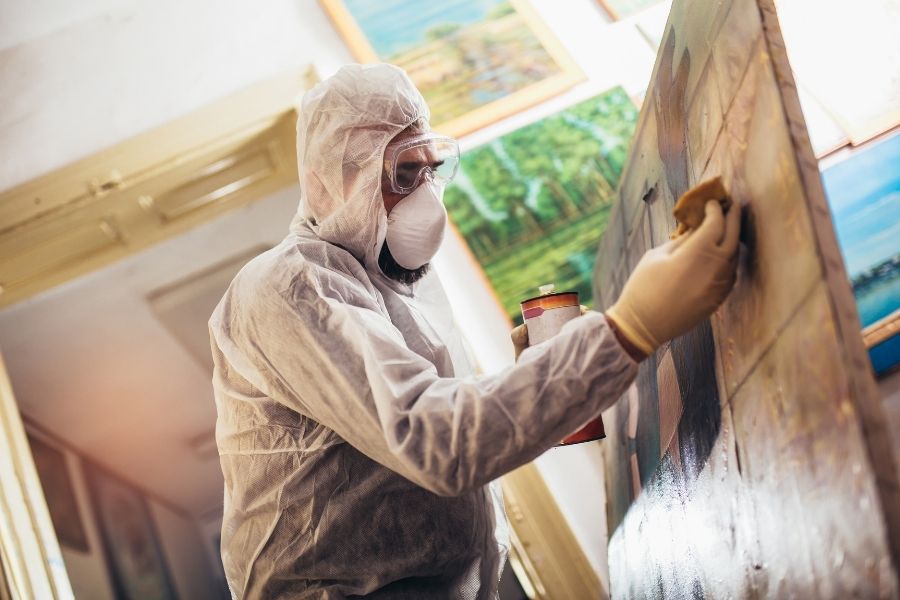
When a crew shows up in full protective gear, you know they are treating the job with the seriousness it deserves.
Dealing with water, fire, or storm damage right now?
Our team responds 24/7 across the St. Louis metro area.
Fill Out This Form for a Free Estimate
Or call us.
What Happens When You Call a Restoration Company
A good restoration company walks you through safety steps over the phone while dispatching a crew to your location. That first call is triage. The dispatcher asks about the water source, whether it’s still flowing, and whether anyone is in danger. They’ll tell you to shut off the main water valve if safe and to stay clear of standing water near electrical outlets.
Once the crew arrives, they assess damage before touching anything. Moisture meters, infrared cameras, and visual inspection happen in the first 15 to 20 minutes. This determines the scope and documents everything for your insurance claim.
Then extraction begins. Commercial pumps pull hundreds of gallons per hour while air movers and dehumidifiers get placed strategically. The goal is stopping moisture migration through your home’s structure, which gets worse every hour.
Factors That Affect How Quickly Help Arrives
Response time depends on weather, call volume, time of day, and your location within the service area. A Tuesday afternoon call during clear skies? You’ll probably see a truck within 45 minutes. A Saturday night during a major storm when every basement in Kirkwood and Maplewood is flooding? It could take longer.
- Major storms create a surge of calls across the metro area at once
- Distance from the company’s base to your neighborhood affects drive time
- Fire damage emergencies and sewage backups get prioritized for health and safety
- Holidays and weekends can impact crew availability at smaller companies
Companies with larger crews and multiple trucks handle surges better. Ask about fleet size when vetting providers before disaster strikes.

That anxious wait between calling and hearing a knock at the door is exactly why response time matters so much.
What You Can Do While Waiting for the Crew
The 30 to 90 minutes between your call and crew arrival aren’t wasted time if you take the right steps. Small actions during that window can meaningfully reduce your total damage.
Start with safety. Don’t wade into standing water if the power is still on. If you can safely reach the breaker box, kill the power to affected areas. Then shut off the water source if you can identify it.
After that, photograph everything before moving anything. Slide aluminum foil under wooden furniture legs. Move valuables and electronics to a dry area. Open cabinets and closet doors so air can circulate. Don’t use a household vacuum on standing water.
According to Ready.gov, avoiding contact with floodwater is critical because it can contain sewage and chemicals. If the water smells foul, evacuate and wait for professionals.
How to Choose a St. Louis Restoration Company Before You Need One
The worst time to search for a restoration company is during the emergency itself. Vetting St. Louis restoration companies ahead of time, even saving a number in your phone, gives you a head start when seconds count.
What to Look for in a Restoration Company
✓ IICRC-certified technicians with documented training
✓ 24/7 live phone answering, not a voicemail system
✓ BBB accreditation and verified reviews
✓ Direct insurance billing experience
✓ Coverage for water, fire, mold, and storm damage restoration
A company with decades in the community, like Pride Cleaning And Restoration, Inc., has the local knowledge that national franchises lack. Knowing your neighborhoods, understanding St. Louis weather patterns, and having relationships with local adjusters translate to faster restorations. For more on how fast action protects your property, read about why speed matters in the first 48 hours.
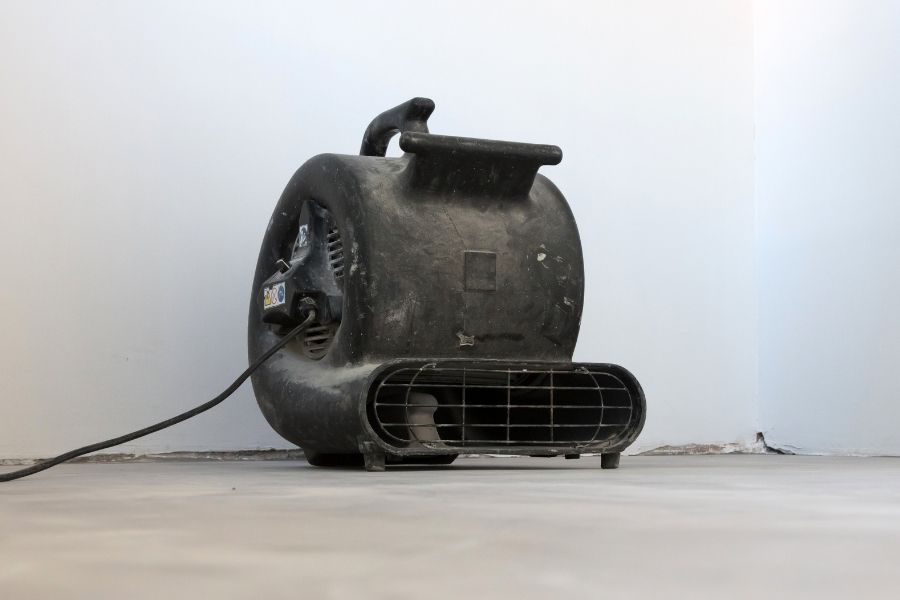
Air movers like this one run nonstop once a crew arrives. Getting them on-site quickly is what separates fast responders from the rest.
Frequently Asked Questions
How fast should a restoration company respond to an emergency call in St. Louis?
Most reputable St. Louis restoration companies aim to arrive on site within 30 to 90 minutes of your call. The IICRC recommends that mitigation begin as soon as possible to prevent secondary damage like mold growth.
Do restoration companies charge extra for after-hours emergency calls?
Policies vary by company. Some include 24/7 response in their standard pricing while others add a surcharge. Ask about this before an emergency happens so there are no surprises.
Should I start cleaning up water damage before the restoration crew arrives?
Focus on safety first. Shut off the water source and electrical power if safe. Move valuables to dry areas and photograph everything. Don’t use household vacuums on standing water or tear out drywall, as this can complicate restoration.
Will my insurance company work with any restoration company I choose?
In most cases, yes. You generally have the right to choose your own restoration company. Look for one experienced in insurance claims, as they can communicate directly with your adjuster and keep things moving.